



Bitcoin (BTC) accelerated its gains today, but the rally seems far from convincing amid mounting geopolitical tensions. The Strait of Hormuz remains closed, and authorities estimate it will take at least six months to clear the mines. Furthermore, Iran has not engaged in any substantial negotiations for a permanent agreement. While Trump has unilaterally extended the ceasefire, he has also drawn attention to the imminent execution of eight female prisoners in Iran.
Executions halted after Trump intervention
Earlier this week, Donald Trump mentioned eight women awaiting execution in Iran, reportedly sentenced to death for their involvement in protests. While this article was being prepared, Trump announced that Iran had suspended the executions, expressing gratitude toward the country. However, doubts linger: if Iran later denies this or claims the reprieve is untrue, the US President could face further embarrassment.
“Great news! I just received word that the execution of eight female protestors, scheduled for tonight in Iran, has been halted. Four women will be released immediately, while the other four will face one month in prison. I appreciate Iran and its leaders for responding to my request as President of the United States and canceling the planned executions. Thank you for your attention to this important matter! President DONALD J. TRUMP”
Strait of Hormuz remains sealed off
Iran has insisted that the strait will not reopen any time soon, noting that even if passage is allowed, navigation would be unsafe due to the presence of naval mines. Pentagon officials have briefed Congress, warning that it could take up to six months to clear the mines in the Strait of Hormuz. Furthermore, they view the likelihood of conducting such an operation before any cessation of hostilities between the US and Iran as slim.
What does this mean for the broader economy? In simple terms, the economic fallout from heightened tensions with Iran could be felt well into 2026. Last month, US inflation rose by 1%, mainly driven by increases in energy prices. As rising energy costs filter into other sectors, inflationary pressures are expected to intensify.
Trump’s demands for Iran are clear: end its nuclear program, surrender all highly enriched uranium, and fully reopen the strait. According to broadcaster N12, Sunday marks the expiration of Trump’s latest deadline for Iran. History suggests, however, that Trump could postpone this ultimatum just as he has done several times before.
A wide array of critical commodities, from fertilizers to helium, pass through the Strait of Hormuz. If the conflict escalates, the Red Sea could also be blocked by Houthi militants, further tightening global supply lines. Even if a deal were reached today, the process of demining and reopening the strait would still take at least six months without Iran’s cooperation.
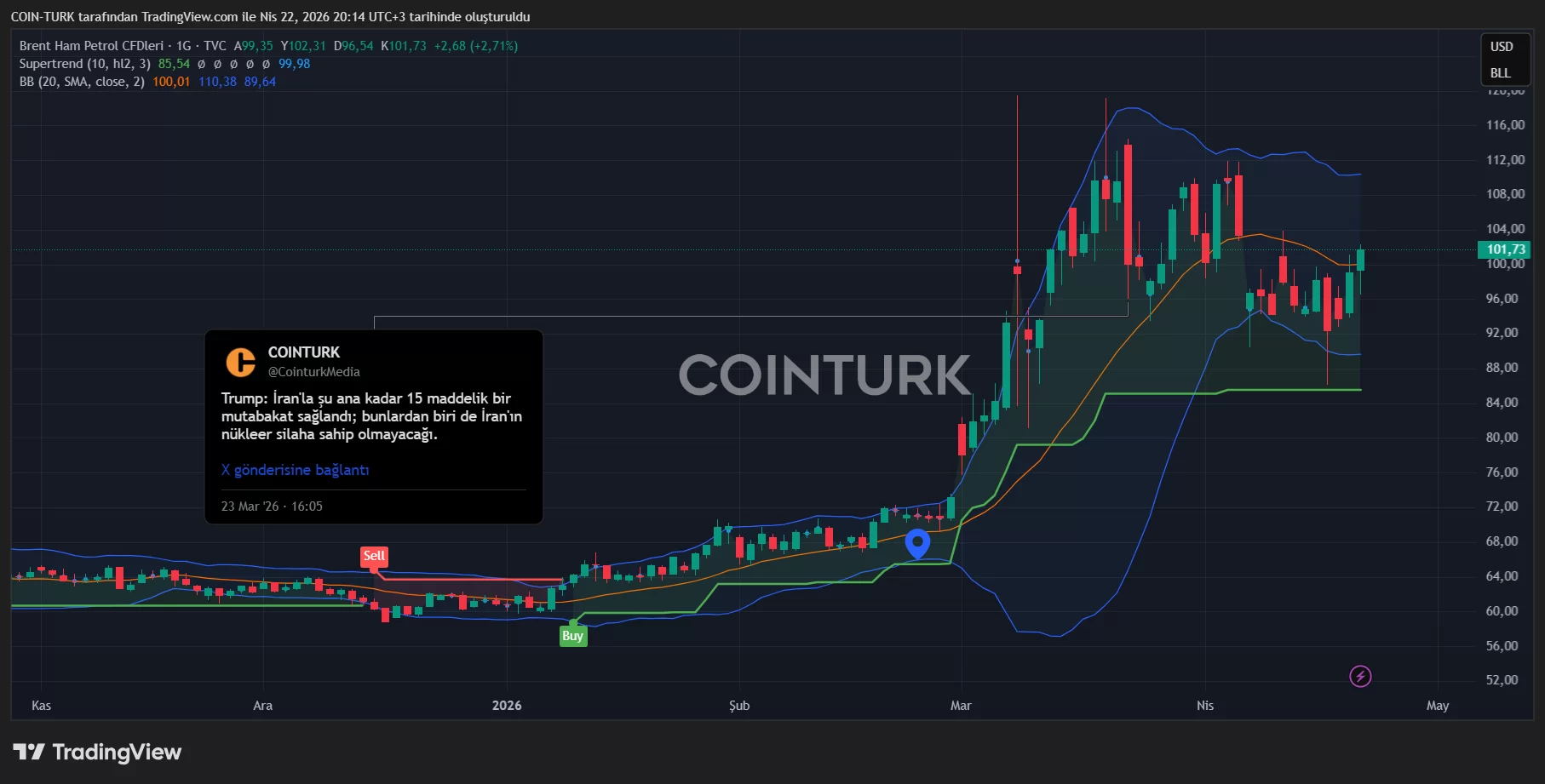
The net result? This ongoing turmoil is likely to force the Federal Reserve to avoid cutting interest rates in 2026 or 2027, in an effort to confront rising inflation. This scenario may present one of the last significant short opportunities for cryptocurrency markets.
Alternatively, Iran could abruptly sign an agreement, take charge of clearing the mines, and quickly reopen the strait. Yet, the question remains: will Iran abandon its nuclear ambitions? With over 4,000 deaths and even leadership figures like Khamenei reported among the casualties, what concession could possibly justify such losses for Iran?
While the situation in the region casts a long shadow over economic and political stability, the global markets—including digital assets—are bracing for heightened volatility and uncertainty as events continue to unfold.
How and when this standoff might resolve remains deeply uncertain, with repercussions expected across sectors from global energy to decentralized finance and beyond.