The Bitcoin community is gripped by heated debate after news broke of an upcoming fork called eCash. Scheduled for August at block height 964,000, the fork will duplicate the entire Bitcoin blockchain. Every BTC holder at the time of the split will receive an equal amount of the new asset, eCash, reflecting their Bitcoin balance. Like previous Bitcoin forks, this means users will automatically own new coins on the new chain, matching their original holdings.
Satoshi’s coins under scrutiny
What sets the eCash fork apart from past forks lies in its treatment of nearly 1.1 million BTC believed to be owned by Bitcoin’s pseudonymous creator, Satoshi Nakamoto. These untouched assets have stood as a symbol of fairness and transparency in the Bitcoin community since they have not moved since 2009. Traditionally, these coins would be mirrored as eCash in the new chain. However, LayerTwo Labs CEO Paul Sztorc has proposed that only 600,000 eCash should be credited to Satoshi’s addresses, with the remaining 500,000 distributed to early contributors funding the eCash project.
This proposal has sparked an intense ethical debate over ownership rights. Responding to accusations of “theft” on X, Sztorc firmly denied any wrongdoing, stating the move would not amount to technical theft.
The untouched coins belonging to Satoshi are the bedrock collateral of Bitcoin’s foundation. Even the network’s founder never moved his coins, proving the rules applied equally to everyone. Selling rights to these coins to fund new projects, even if not a technical violation, is ethically contentious.
Community concerns about rights and ethics
Beau Turner, CEO of Abundant Mines, told CoinDesk that Bitcoin’s core principle is universal property rights, arguing that any intervention targeting Satoshi’s coins would be a grave ethical misstep.
“Bitcoin was created to uphold inviolable property rights for everyone worldwide. Any proposal that seizes the founder’s rightful coins is such a major error, it’s difficult to understand how it’s even up for discussion.”
At the same time, the community is also wrestling with related issues about freezing or restricting old, less-secure addresses—especially those thought to belong to Satoshi. These conversations are pivotal in view of Bitcoin’s unchangeability and social contract.
Ethical lines drawn across platforms
Within the Bitcoin ethos, the untouchability of Satoshi’s coins holds special significance. Vijay Selvam, author of Principles of Bitcoin, insists that freezing these coins, no matter the justification, would fundamentally damage the monetary principles of Bitcoin.
“Freezing Satoshi’s coins inflicts irreparable harm on Bitcoin’s monetary attributes. Once this happens, users can never truly trust that their assets are safe, always fearing the next violation of rights.”
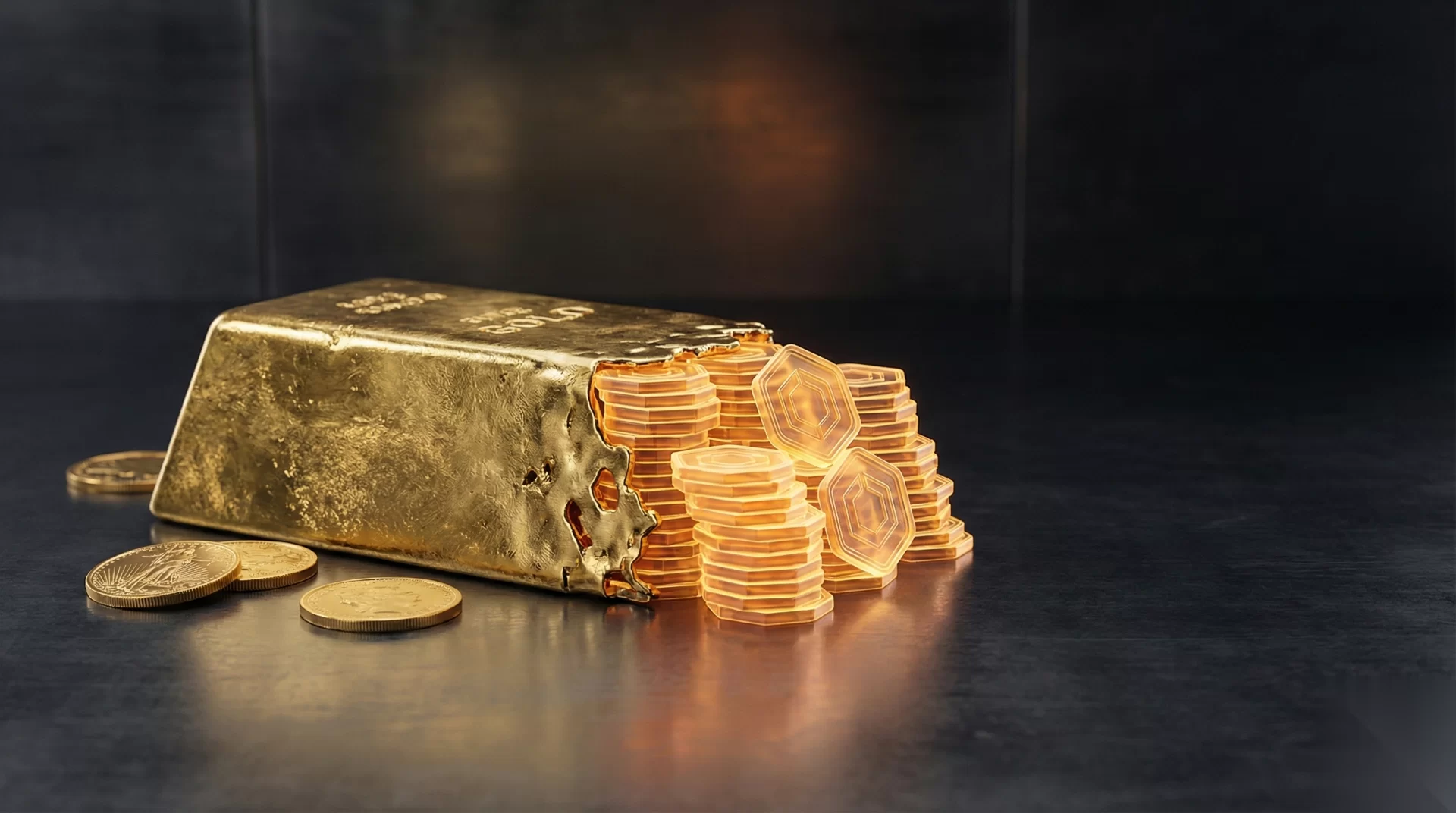
Selvam emphasized hopes that Bitcoin would serve as a lasting and reliable store of value across generations, akin to digital gold, but warned that such forks threaten this vision and undermine Bitcoin’s claim as the digital equivalent of gold.
Paul Sztorc’s previous attempts to integrate sidechains to Bitcoin via BIP300 and BIP301 failed to gain widespread community support. Now, the eCash fork is perceived both as an alternative plan and as leverage, should those proposals remain sidelined.
Sztorc remarked he might abandon the eCash plan if BIP300 and BIP301 become active in the network. However, the developer community has yet to respond to this call.
Uncertainty persists over whether the fork will create lasting economic value. For now, social pressure and ethical frictions seem to outweigh technical or financial factors. Unlike previous forks, which struggled to retain value, eCash places renewed focus on the ethical legacy of Bitcoin by targeting Satoshi’s coins.