Michael Burry, famously portrayed in “The Big Short” for predicting the 2008 financial crisis, is once again sounding the alarm. He now believes that a major reckoning is approaching, stressing that stock prices are not responding to economic fundamentals. Given Burry’s track record, his views are drawing increased attention across financial markets. But what else has Burry shared in his latest assessment?
AI boom mirrors the dot-com bubble
According to Burry, the artificial intelligence frenzy today is looking increasingly similar to the dot-com bubble of the early 2000s. Back then, massive hype around the internet led many companies to soar before crashing back to earth. While the internet eventually saw exponential growth, only a few companies weathered the storm, and new players emerged as winners in the aftermath.
“There is an uninterrupted artificial intelligence mania. No one talks about anything else all day. Stocks are not moving because of employment numbers or consumer confidence. Stocks keep rising simply because they keep rising. It’s all built on a two-letter thesis that everyone thinks they understand… This feels a lot like the final months of the 1999-2000 bubble.”
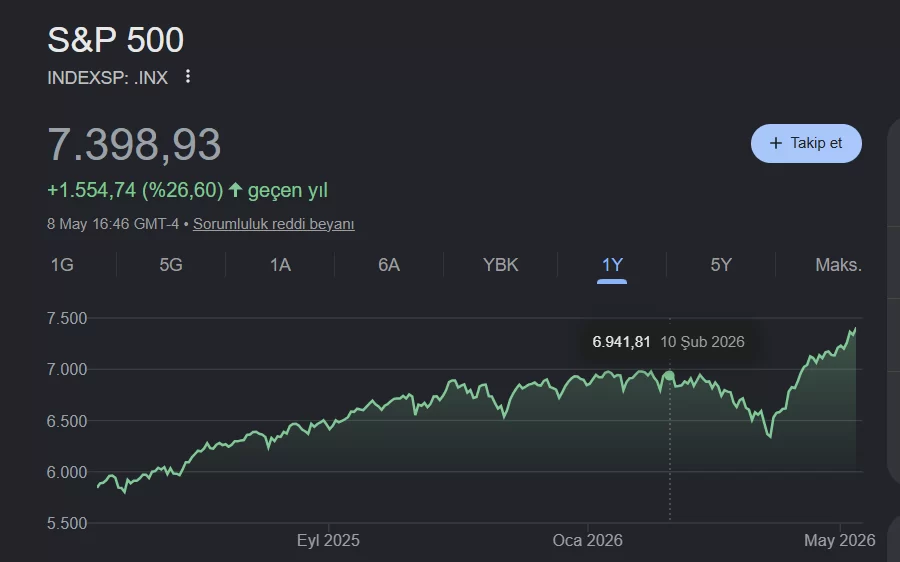
Recent data appears to back up Burry’s caution. The S&P 500 set a fresh record on Friday, despite a historic low in consumer confidence and a jobs report that exceeded expectations. Notably, the numbers signal the Federal Reserve could increase rather than decrease interest rates going forward.
Burry has also compared the recent surge in the Philadelphia Semiconductor Index (SOX) to its dramatic climb before the tech crash in March 2000. The SOX jumped over 10% this week, lifting its predicted 2026 earnings by 65%—a pace reminiscent of past market manias.
Impacts on cryptocurrencies
Not everyone shares Burry’s sense of imminent disaster. Veteran investor Paul Tudor Jones agrees that a bubble exists, but he believes the AI boom has another one to two years before its peak. He also points to a key difference between the dot-com era and today’s AI enthusiasm: a triangular pattern of capital movement among tech giants. Company A invests in Company B for its AI expertise, while B buys infrastructure from A and C to build its offerings. This cycle lifts the stock of A and C, while B, often still private, uses continued early investments to drive up its valuation.
This year, AI-related investments are projected to reach $600 billion to $700 billion. Jones notes that the investment triangle among trillion-dollar companies could extend the life of the boom for several years.
If Burry’s concerns prove correct and the AI bubble bursts, sharp declines could hit the cryptocurrency market as well. All risk assets could be affected by such a major downturn. The most optimistic scenario is that, within the next one to two years, AI firms begin to generate real profits—breaking out of the speculative cycle and cushioning any potential crash.