
The UK-based bank, Standard Chartered, actively engages with the crypto market by regularly sharing its short, medium, and long-term targets. This week, the bank revised its targets and unveiled the final version of its future expectations, capturing the interest of many followers.
Bitcoin Price Targets
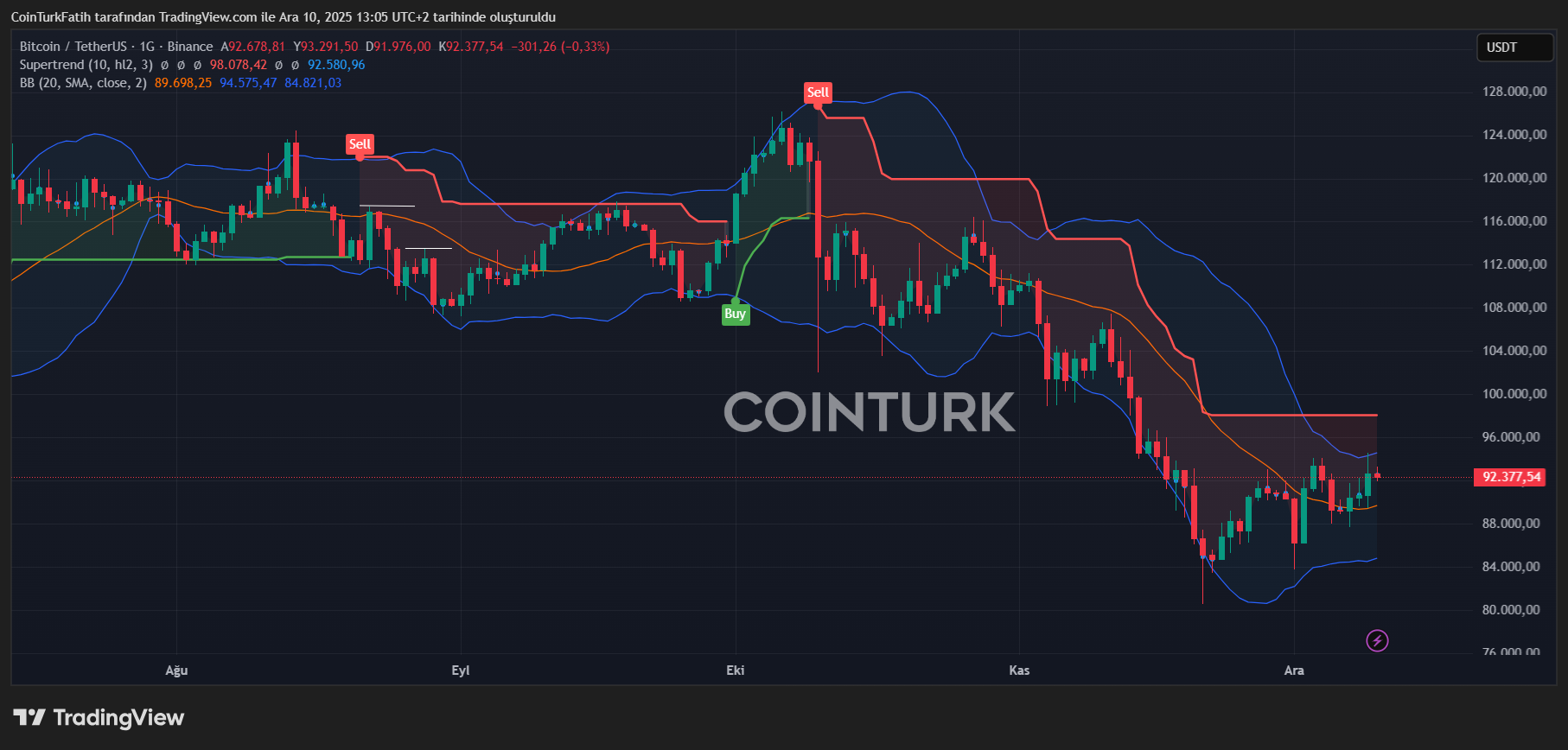
Following recent market fluctuations, Standard Chartered reassessed its goals and lowered its short-term projections. Previously, the company anticipated Bitcoin  $82,774 to reach $200,000 by the end of 2025 but has now reduced this forecast to $100,000.
Geoffrey Kendrick, the bank’s Global Head of Digital Asset Research, acknowledged that previous targets were inaccurate. Despite the correction seen in the last quarter, the company views these adjustments as being within normal expectations and stands by its long-term target of $500,000 for Bitcoin.
The updated targets are as follows:
- By the end of 2025: $100,000.
- In 2026: $150,000.
- In 2027: $225,000.
- In 2028: $300,000.
- In 2029: $400,000.
- The long-term goal for 2030 remains $500,000.
Previously, the bank had predicted $200,000 for 2025 and $500,000 for 2028, indicating that some of these targets have been postponed.
Cryptocurrency Predictions
In July, Standard Chartered aimed for a $200,000 target this year, influenced by ETF flows, corporate cryptocurrency treasury demands, and political developments. However, the environment didn’t align with their expectations. The bank perceives that the hype surrounding cryptocurrency reserve companies is over, as their valuations, measured by mNAV, don’t support aggressive balance sheet expansions.
Will DATs engage in major sales? Kendrick doesn’t foresee this. The largest reserve company, MSTR, with a cost near $74,000, is positioned well enough to prevent massive sales.
“With the start of ETF purchases, the BTC halving cycle is no longer a relevant price factor. Long-term ETF buyers are a much more significant price factor.”
Kendrick perceives the recent dip as volatility before entering a period of calm, not a structural break, and emphasizes that ETF flow has become significantly more critical.