
The day’s most anticipated event was the US Supreme Court’s long-awaited tariff ruling—a decision that investors, economists, and cryptocurrency watchers have been eyeing for months. The market’s attention echoed similar anxious moments from earlier this year when speculation around court decisions sent shockwaves across various sectors. Since November, when hints emerged that the justices might rule against former President Trump’s tariffs, the issue has weighed heavily on cryptocurrency trends, creating a persistent climate of uncertainty in digital asset markets.
Supreme Court Ends Trump-Era Tariffs
Following a month-long recess, the Supreme Court was widely expected to reveal its verdict on customs tariffs today. Echoing warnings made by analysts in February, the focus centered on whether the court would overturn the controversial tariffs. Trump, for his part, warned that repealing them would spell disaster for the US economy. Over the past year, speculation and debate over these tariffs have choked cryptocurrency activity, fueling volatility and anxiety among traders. As today’s deadline arrived, fears resurfaced that the entire situation could spiral back into chaos, intensifying worries in digital markets.
Markets React to the Ruling
The verdict, which was expected between 6 p.m. and midnight, was finally announced: the US Supreme Court struck down Trump’s global customs duties by a decisive 6-3 margin. The news sent tremors through financial circles, and immediately shifted expectations about the Federal Reserve’s next moves. Now, many investors believe the Fed will put off any potential interest rate cuts until at least July, prolonging the uncertainty for risk-sensitive assets like cryptocurrencies.
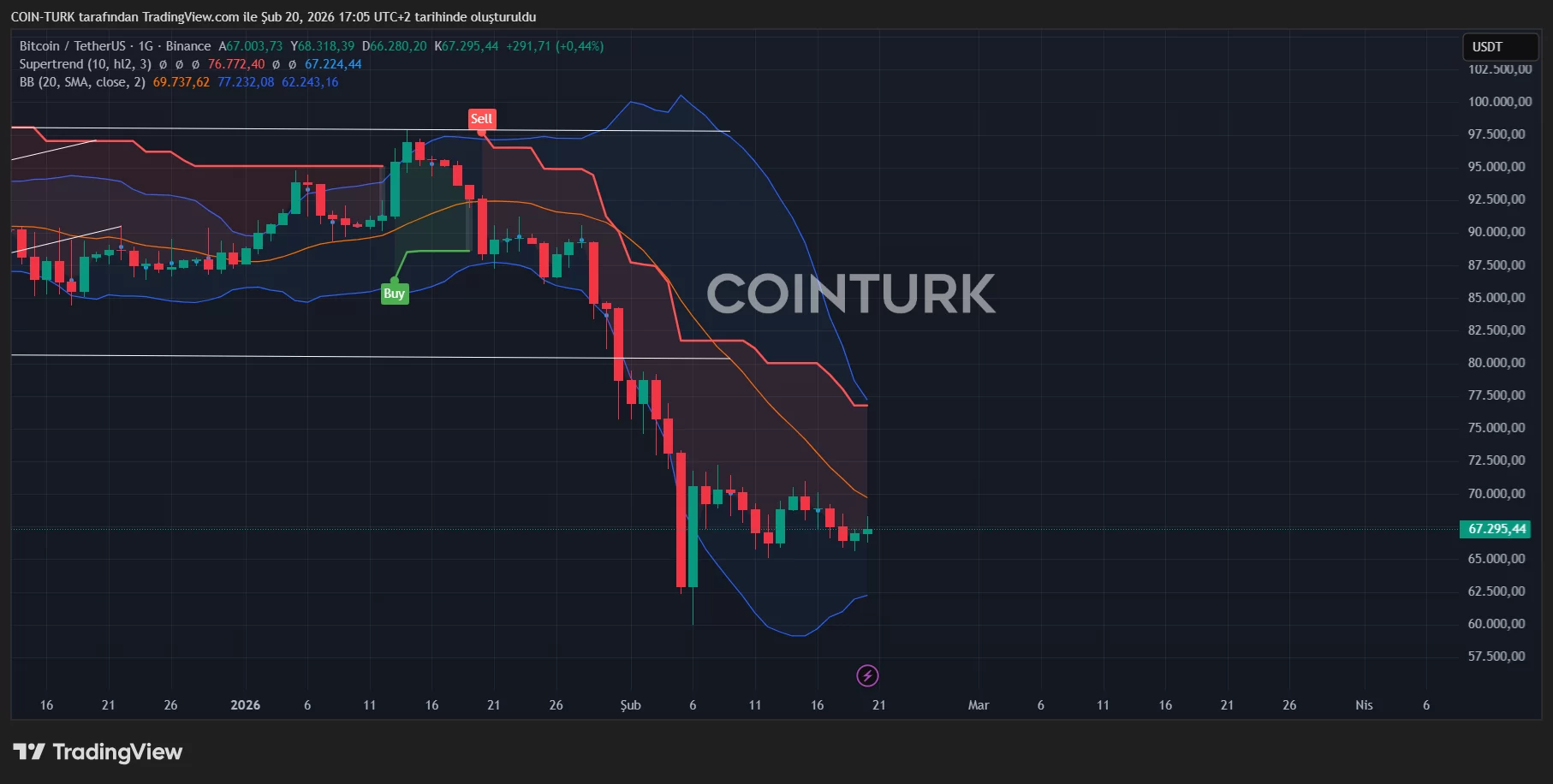
Throughout 2025, market participants watched as the tariff debates put consistent downward pressure on the price and trading activity of major cryptocurrencies. After today’s verdict, concerns mounted that renewed instability could once again unsettle markets. The possibility of a return to earlier tumult loomed large, especially given that the legal process has proven unpredictable before.
The immediate aftermath of the decision saw intense volatility across major stock exchanges and particularly within the crypto sector. Leading digital currencies such as Bitcoin and Ethereum experienced sharp price swings as both retail and institutional traders scrambled to interpret the ruling’s impact. Alongside the verdict, speculation intensified about whether US monetary policy would remain on hold, adding a new layer of complexity for those navigating volatile markets.
While Trump framed the potential reversal of his tariff policy as a direct threat to economic stability, the Supreme Court’s majority opinion signaled a fundamental shift in US trade policy. This signals the likely end of one of the former president’s signature economic moves—tariffs that have long been criticized both domestically and abroad. Many in financial circles are now reassessing their expectations and preparing for a prolonged period of adjustment as new policies are developed.
“If these tariffs are removed, it would mean the collapse of the economy,” Trump argued, underscoring his longstanding defense of the protectionist measures.
In the run-up to the decision, legal and economic experts warned repeatedly that the Supreme Court’s intervention would have ripple effects far beyond traditional markets. The end of the Trump-era tariffs is now expected to inject further volatility into cryptocurrencies, which have grown increasingly sensitive to global policy shifts. Participants are bracing for continued unpredictability as political debates over trade intensify and the markets digest the shock of the verdict.
The coming months promise more legal and political wrangling as the US seeks a new consensus on trade—and as cryptocurrency stakeholders watch nervously for clues about regulatory and monetary changes that could shape the next phase of the digital asset landscape.