As the weekend approaches, speculation mounts once again over the possibility of missiles being launched at Iran. In his latest statements, Donald Trump has issued a ten-day ultimatum to Iranian leadership—a move that aligns closely with recent claims reported by the Wall Street Journal (WSJ). The evolving situation is drawing international attention, fueling anxiety across geopolitical and financial spheres.
Trump Announces Plans for Targeted Military Action
Just moments ago, Trump openly declared his intention to carry out a “limited strike” on Iran. While many initially dismissed WSJ’s reports suggesting the U.S. might accelerate this move to gain leverage in negotiations, current events appear to confirm those suspicions. The United States is now undertaking its largest military deployment since the invasion of Iraq—another strong signal that a major operation is looming. Trump’s candid remarks indicate that preparations have moved well beyond mere posturing.
Potential for Escalation Raises Global Concerns
Should an attack occur in the early hours of Saturday or Sunday, few observers would be surprised. The U.S. president has set March 1 as the deadline for Iran to respond, but statements made by Supreme Leader Ali Khamenei this week have all but extinguished hopes for a peaceful agreement. Diplomatic channels are narrowing, and tensions are at their peak.
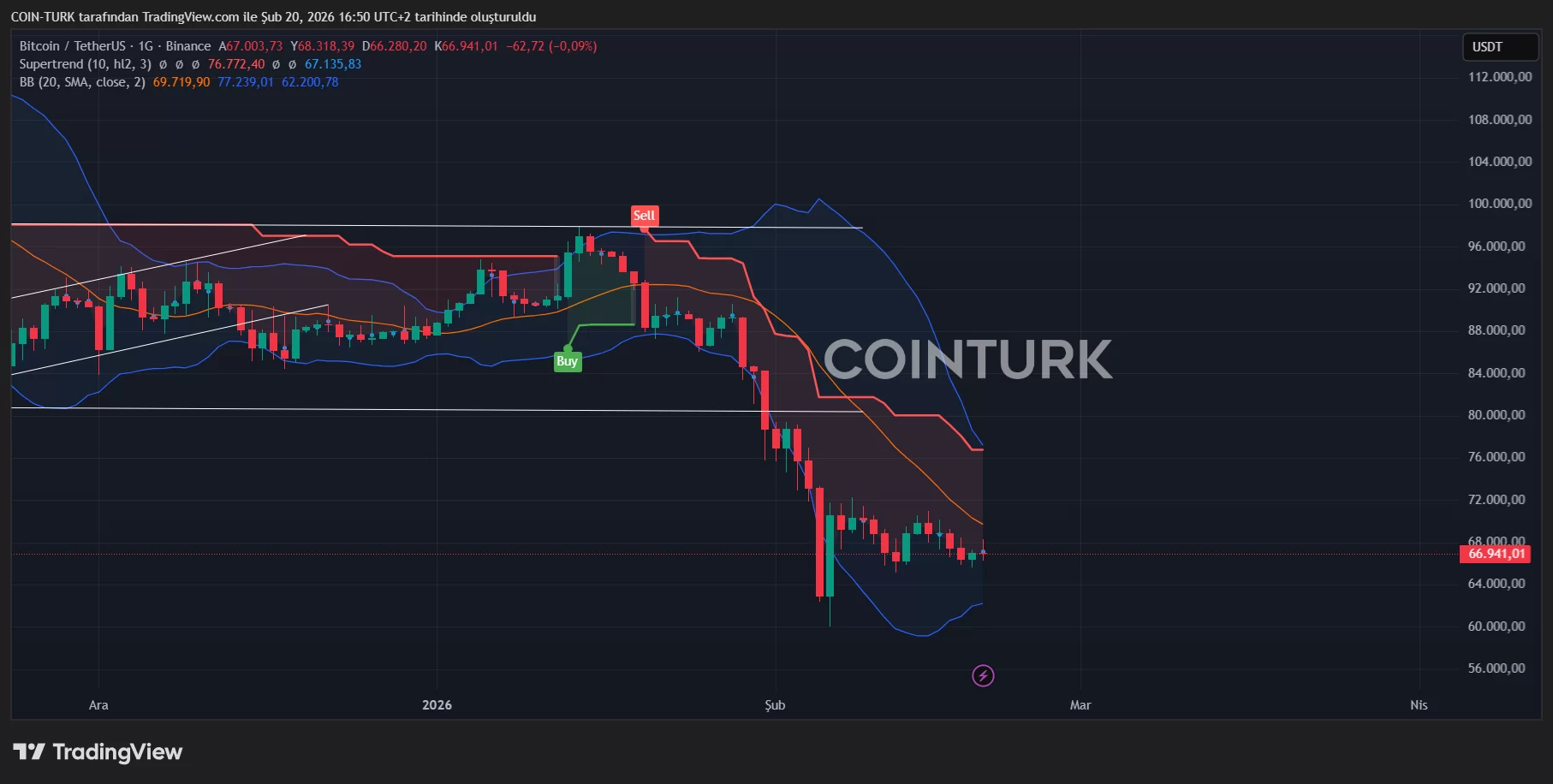
A U.S. strike on Iran could trigger retaliation far beyond the initial exchange. Such a scenario might draw the broader region into protracted conflict—an outcome that holds grim implications for international stability. Should hostilities spiral, the global economy, already jittery, could experience even sharper volatility. The cryptocurrency market, in particular, would likely see further declines amid the turmoil.
According to the latest White House statement, Trump is also set to visit China between March 31 and April 2. This diplomatic engagement, while significant in its own right, is now overshadowed by the specter of imminent conflict with Iran.
Trump indicated that if Iran fails to comply with Washington’s demands by March 1, limited military action will follow.
Meanwhile, regional leaders and global observers remain on edge, waiting to see whether dialogue might prevail at the last minute. Thus far, the uncompromising rhetoric coming from both Tehran and Washington suggests that a peaceful resolution is increasingly out of reach.
The next 48 hours are critical; any pre-dawn strikes over the weekend could mark the start of a wider conflagration. Market analysts and policymakers worldwide are bracing for impact, as escalating tension in the Middle East rarely remains confined to one region or sector. The threat to energy stability, investor confidence, and financial markets cannot be understated.
While diplomatic maneuvers continue behind closed doors, ordinary citizens and markets can do little but wait. With new military deployments underway and public declarations now out in the open, the world is on alert for what could become a turning point in regional—and possibly global—affairs.