Bitcoin continued to trade above the $69,000 threshold today, while altcoins staged a modest rebound that turned markets green. Avalanche (AVAX) led the way with a gain exceeding 5 percent, and Ethereum (ETH) finally reclaimed the $2,100 mark. A recent breakout in Ethereum charts has helped temper concerns over a potential pullback toward $1,900, opening the door to further upside for altcoins. However, notable risks remain for the cryptocurrency market as broader geopolitical factors come into play.
Latest developments in cryptocurrencies
While a ceasefire in the ongoing conflict remains elusive, hopes are not yet extinguished. This uncertainty pushed U.S. futures higher in early trading, though oil prices retreated slightly. ETH’s crossing of a key threshold today has buoyed investor optimism, but there is significant potential for negative headlines in the days ahead. If an agreement is not reached by Wednesday at 03:00 (local time), expectations point toward a possible escalation of hostilities. As Iran has sent some signals hinting at willingness to compromise, concrete progress before this deadline would be necessary if Tehran intends to de-escalate tensions.
In the past few hours, reports have circulated that Iran is actively being pressed for a ceasefire, raising the stakes for both financial markets and geopolitical dynamics.
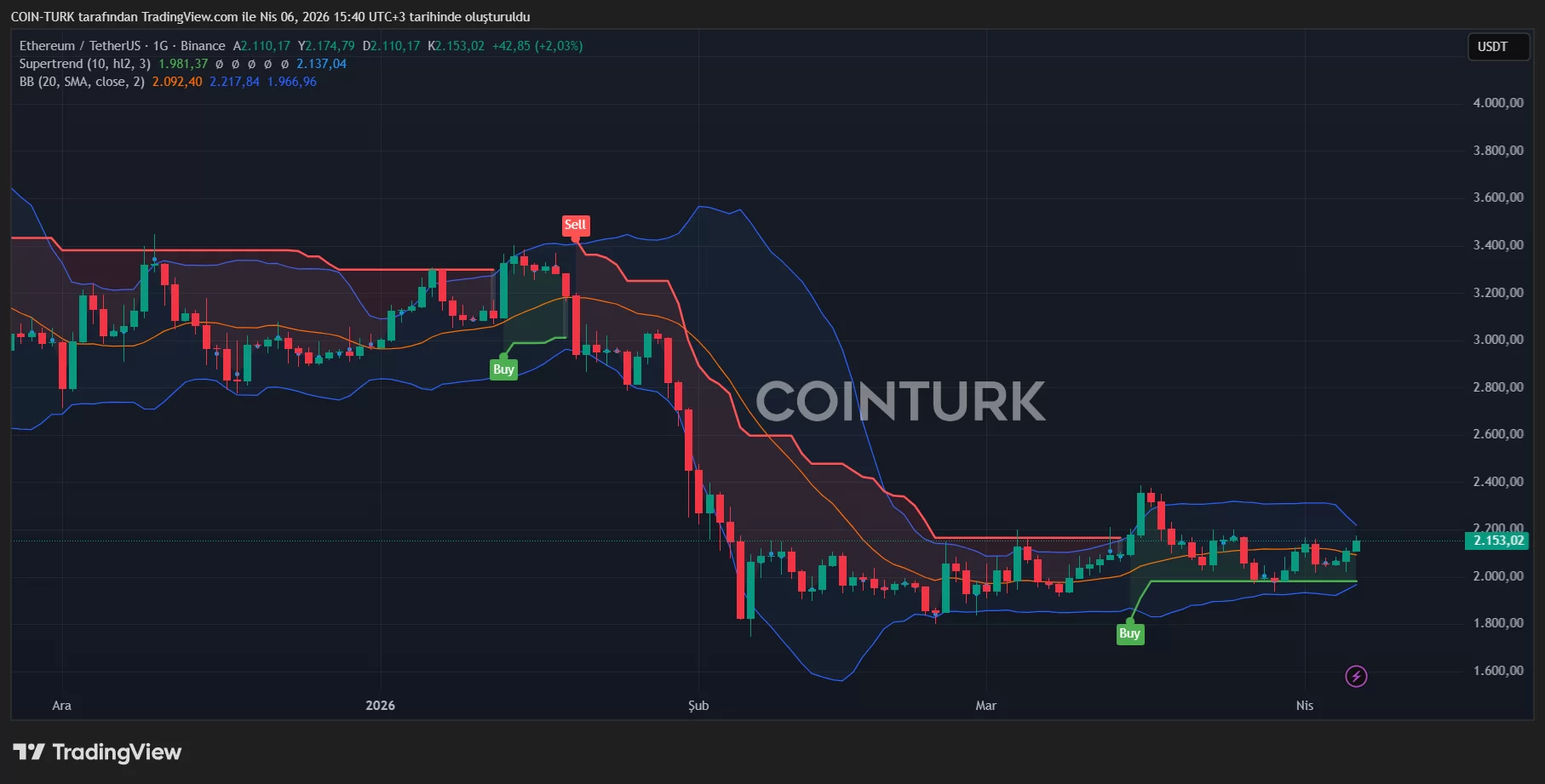
Around 65 days ago, Ethereum (ETH) lost the $2,300 level despite repeated attempts to break resistance, and it has not managed to reclaim this area for the last 20 days. With today’s climb back above $2,100, if ETH can close convincingly above $2,179, a renewed challenge of its resistance zone could be in sight. Should this scenario play out, it would mark a reversal of the subdued price action seen over the past two months and could pave the way for a fresh test of the $2,813 region.
It is worth noting that this is not Ethereum’s first attempt at the $2,100 level in the past 65 days; the milestone has been tested several times before. For that reason, today’s uptick should not yet be construed as a definitive turnaround, and market participants may want to remain cautious before declaring a clear recovery.
Trump’s agenda in focus
Today’s political calendar includes three high-profile events featuring Donald Trump: at 5:00 pm, he will attend an Easter event at the White House; a press conference with military officials is scheduled for 8:00 pm; and at 10:30 pm, Trump will participate in Passover celebrations. The coming hours will likely see a flurry of remarks from the former president, and if Iran is indeed moving closer to a ceasefire, this could be reflected in the tone of his public statements.
Looking to tomorrow, the New York Federal Reserve will publish its inflation expectations—a key gauge that covers a one-year outlook and is likely to shed light on how ongoing conflict may shape the Federal Reserve’s policy stance. In the early hours of Wednesday, attention will turn to whether Trump announces a peace deal or, failing that, whether military escalation targeting Iran’s key infrastructure and leadership begins. The coming days are set to bring a flurry of pivotal developments for both markets and geopolitics.
“If no ceasefire agreement is reached by the deadline, we may see intensified military actions,” market analysts commented, highlighting the risks facing investors as the situation develops.