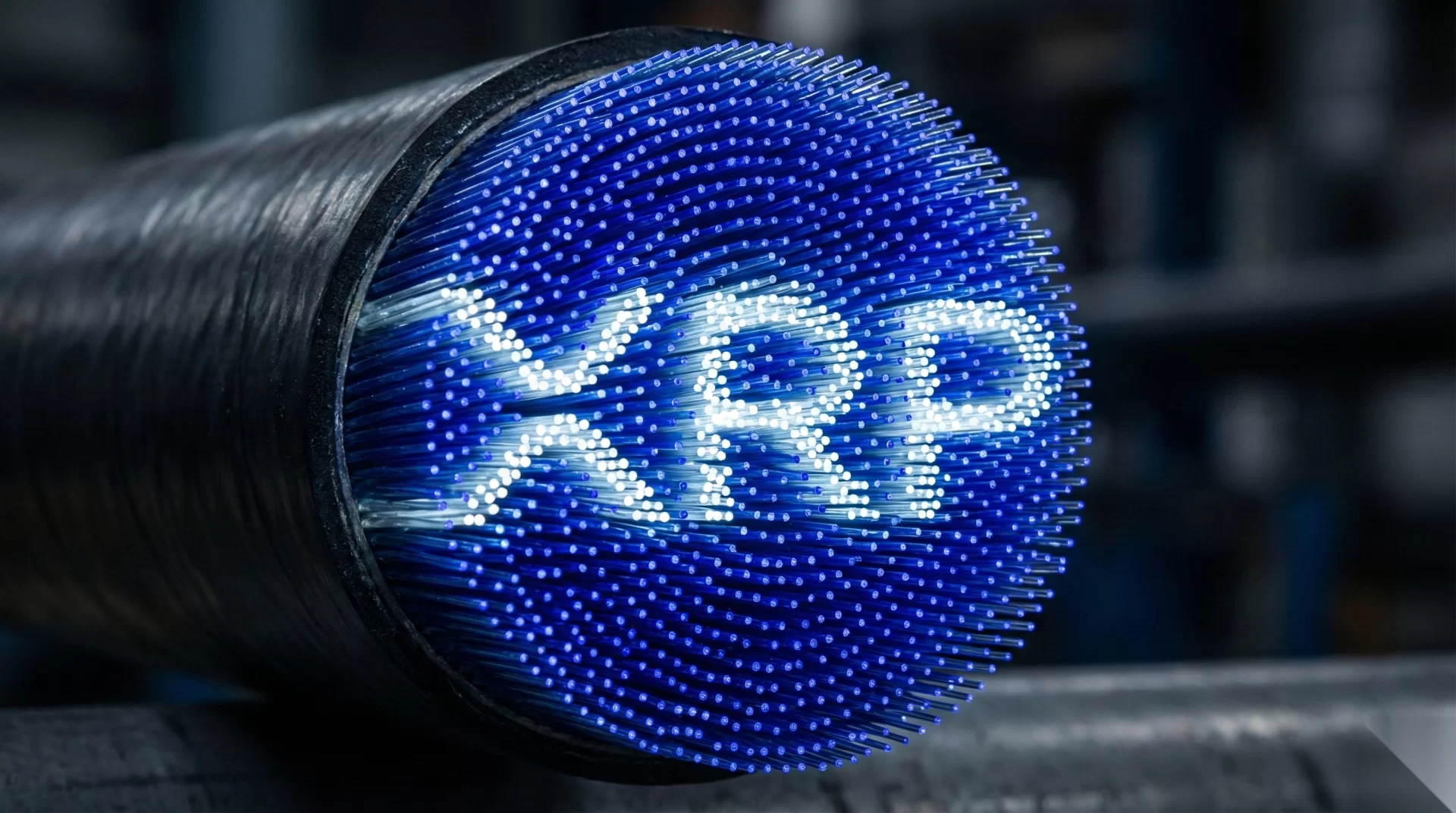
South Korea’s leading digital bank, K-Bank, has announced a major partnership with Ripple to prioritize blockchain technology in cross-border money transfers. During an agreement ceremony in Seoul, K-Bank CEO Choi Woo-hyung and Ripple’s Asia-Pacific head Fiona Murray revealed their joint goal to make global payments faster, more affordable, and more transparent. Founded in 2017, K-Bank rapidly emerged as the country’s first successful internet-based bank, gaining a reputation for innovation in the financial sector.
Blockchain pilots for cross-border transfers
K-Bank and Ripple’s pilot project aims to address persistent problems in traditional international transfers, such as slow transaction times, high fees, and limited transparency. The initiative launched with a test of an independent remittance model through K-Bank’s proprietary mobile app. Currently, they are advancing to real-time testing by directly connecting client accounts with the bank’s internal systems.
A standout innovation is the model in which the entire transfer is executed on a blockchain infrastructure, substantially minimizing the need for intermediaries. This approach allows money to move almost instantly along major corridors, including those between the UAE and Thailand.
Regulatory and technical compliance
As part of the project, K-Bank has developed its own digital wallet system, prioritizing flexibility and user control. However, introducing this system also brings increased regulatory requirements, particularly regarding anti–money laundering activities, sanctions screening, and key management. The bank is striving to balance these compliance demands with the pressing need for customization and operational efficiency.
In response to these challenges, K-Bank has begun a careful review of Ripple’s SaaS-based digital wallet, Palisade. This solution, built to institutional security standards, features hardware security modules and multi-level approval processes. By adopting such prebuilt, regulation-ready infrastructure, the bank could accelerate rollout without building everything from scratch.
Strategic moves in digital assets
K-Bank’s partnership with Ripple is set to expand beyond just overseas payments. The bank plans to adapt to rapidly evolving legal frameworks in Asia for digital assets and stablecoins, aiming to broaden its range of financial products.
Collaborative research by institutions like SBI Ripple Asia and DSRV along the Japan–South Korea payment corridor is widely seen as the foundation for a regional blockchain finance network. Meanwhile, Ripple Custody is emerging as a key player in digital asset custody and institutional infrastructure, taking on roles that go far beyond just payments.
During the Seoul agreement, both sides expressed a shared vision to take part in the future of borderless finance and make blockchain-powered, faster and safer transfers the new industry standard.
K-Bank’s step with Ripple shows its ambition to lead in the digital asset ecosystem and enshrine blockchain-based solutions as a strategic core of its international finance operations.