
The Presidential Directorate of Communications of Turkey has just announced a major step in blockchain integration. Following the shelving of a highly controversial crypto regulation bill, public institutions in Turkey are now making notable moves toward crypto-friendly practices. But what does this latest move mean, and in what ways is the Directorate connecting with blockchain technology?
Blockchain-backed publishing
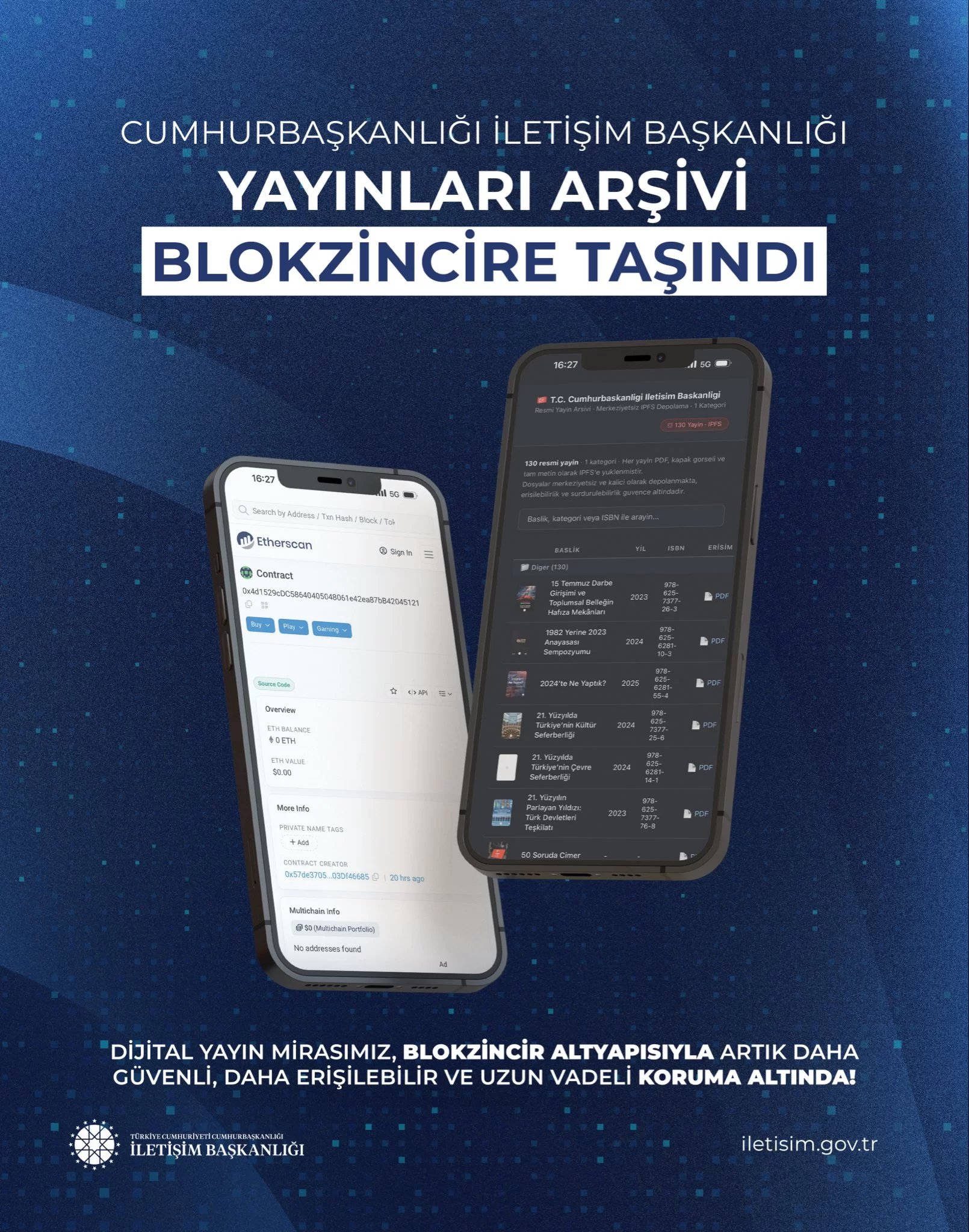
The Directorate has revealed that it is using blockchain technology to protect its institutional publishing archive with decentralized digital storage. This development makes the Presidency’s Directorate of Communications the first Turkish public institution to shift and safeguard its publication archive on blockchain infrastructure.
Permanent, transparent archiving
The transition focuses on decentralization and long-term preservation of documents, leveraging new-generation digital storage. By putting its archive on blockchain, the Directorate ensures transparency and guarantees the authenticity and integrity of its records without the need for any third party.
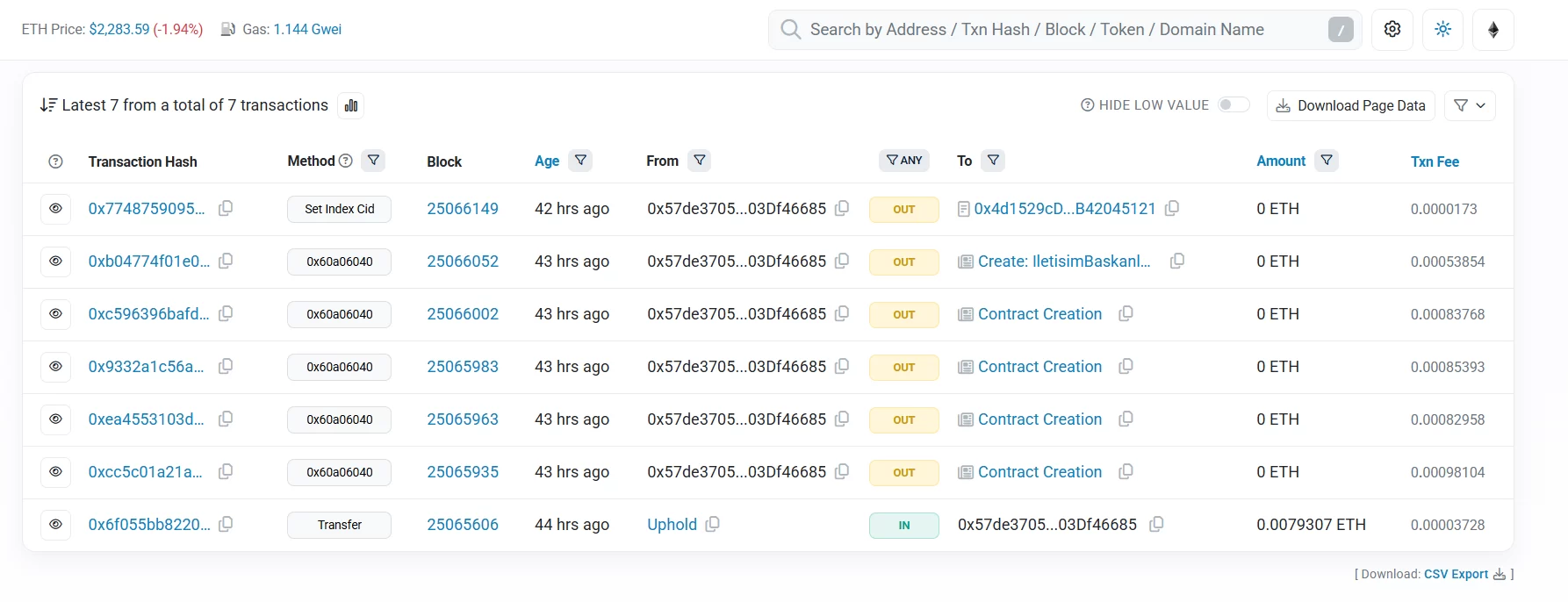
“Our Directorate has completed the process of securing its institutional publishing archive with decentralized digital storage technology. A total of 130 official publications, spanning areas such as strategy, diplomacy, communications, history, and culture, have been permanently stored using the Pinata infrastructure, which utilizes the IPFS (InterPlanetary File System) protocol, all with in-house resources. The cryptographic proof of this storage process has been recorded on the Ethereum blockchain. Through a smart contract deployed on the Ethereum network, the authenticity of every publication can be independently verified. Anyone can transparently check whether a publication is original via the blockchain, needing no intermediaries, thus permanently establishing the archive’s integrity and reliability.” — Presidential Directorate of Communications
This approach marks a pioneering example for other government bodies in Turkey, potentially setting a national precedent for institutional transparency and long-term data preservation. The shift could pave the way for further blockchain adoption in public sectors.
Storing 130 official publications via the decentralized IPFS protocol makes the records tamper-proof and ensures their availability for generations to come. In addition, recording the cryptographic proof on the Ethereum blockchain makes validation open and immutable.
By employing a smart contract on Ethereum, the Directorate allows anyone to independently confirm the originality of these documents, which eliminates a reliance on intermediaries and increases public trust in official records.
Turkey’s latest move comes at a time of increased interest in blockchain from public sector organizations around the world. The country joins an emerging group of governments using blockchain not only for record-keeping but also for boosting openness and accountability.
The Directorate’s blockchain initiative may be the first institutional step, but broader adoption is likely to inspire more innovative use cases across Turkey’s public sector, especially as regulatory landscapes continue to evolve in favor of crypto-related projects.
While the controversial crypto regulation remains off the table for now, this adoption suggests Turkey could continue to deepen its blockchain engagement going forward.
The integration of blockchain for public archiving could also encourage further technical investment and cross-sector collaboration, enhancing digital infrastructure nationwide.