
Inflation in the United States surged notably this month, according to the latest data, intensifying concerns over a prolonged rise in prices. Former President Trump floated the idea of suspending the federal gasoline tax on the eve of the report, but U.S. Interior Secretary commented that this was just one of Trump’s many proposals, with little influence on gas prices. So, how did the inflation report actually unfold?
Inflation figures under the spotlight
Among the week’s most significant events was the release of the closely watched inflation report. With the previous reading coming in exceptionally high, today’s numbers were anticipated as a gauge of whether the price spikes were a one-off supply shock or part of a sustained trend. Optimists had hoped the rise would slow to a limited increase and that long-term inflation would not be exacerbated by ongoing geopolitical tensions with Iran.
Numbers break from expectations
The actual data revealed a sharper rise than analysts had predicted. The headline Consumer Price Index (CPI) for the U.S. was reported at 3.8 percent, surpassing both the consensus forecast of 3.7 percent and the previous value of 3.3 percent. The core CPI, which strips out volatile food and energy prices, came in at 2.8 percent versus a projected 2.7 percent and a prior figure of 2.6 percent.
Monthly figures also indicated persistent upward pressure. Headline CPI grew by 0.6 percent in line with expectations, but slightly below last month’s sharp 0.9 percent jump. Meanwhile, core CPI climbed 0.4 percent month-on-month, overshooting both the expected 0.3 percent and the previous 0.2 percent.
These disappointing figures paint a picture of inflation that is not just persistent but still gaining ground, even if the upward momentum has slowed. Importantly, the continued increase in CPI jeopardizes hopes for upcoming interest rate cuts in the medium term.
Tomorrow, attention will shift to the Producer Price Index (PPI), which is widely expected to show even stronger growth than today’s CPI data. If confirmed, this could further complicate the economic outlook and delay any dovish moves from the Federal Reserve.
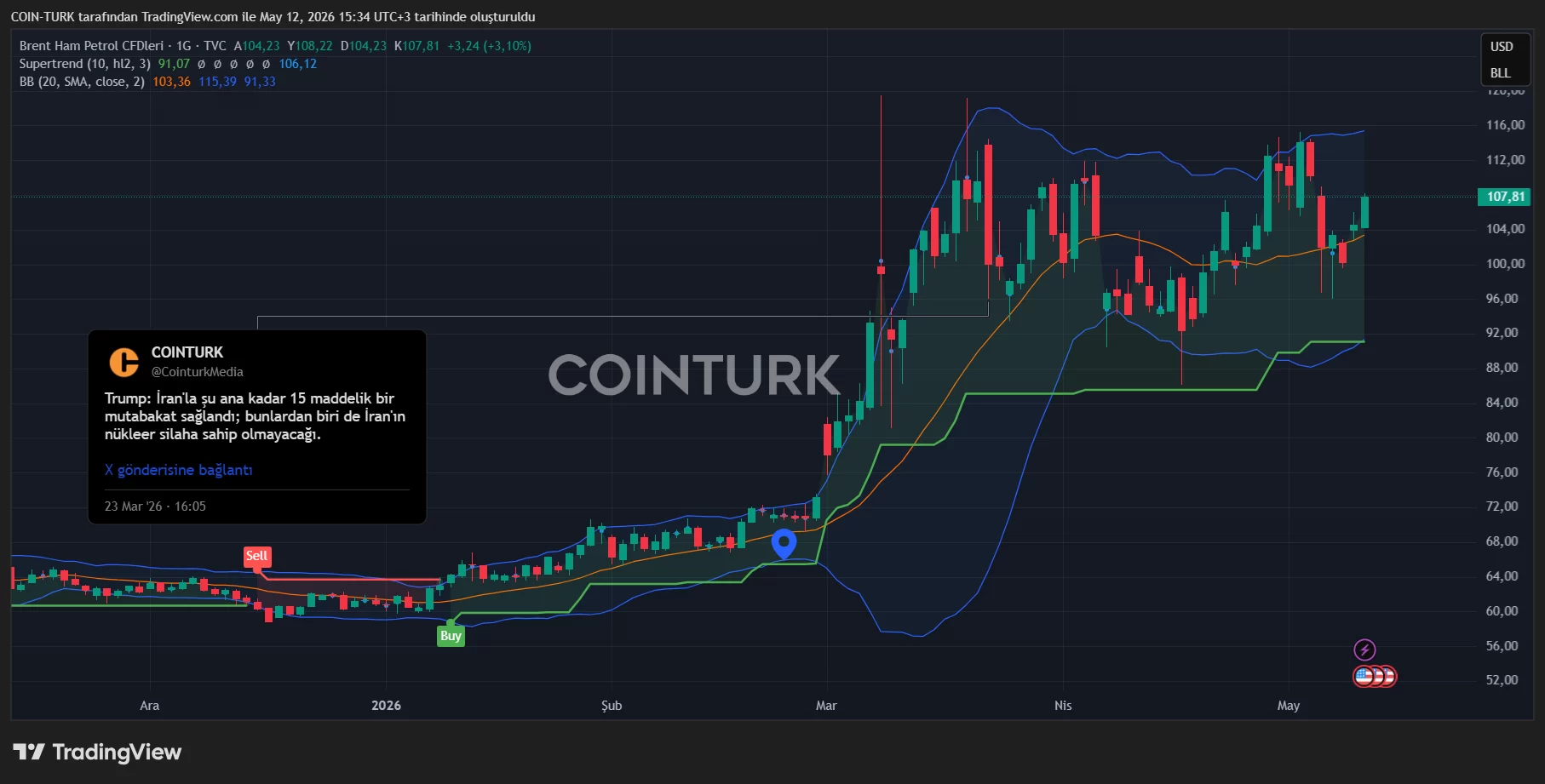
The rising cost of oil, a critical input for many sectors, is also beginning to show indirect effects on inflation. As petroleum prices feed through to the broader economy, analysts warn that the inflationary environment could prove more resilient than previously hoped.
Financial markets are now recalibrating their expectations for monetary policy. The prospect of delayed rate cuts is creating volatility not just in traditional assets, but also across the cryptocurrency space.
Macroeconomic pressure is weighing on risk assets, including major cryptocurrencies. With inflation readings stubbornly above target, the road to easier monetary conditions may be longer than investors had anticipated.
The uncertainty is keeping traders on edge as they await the next round of data, recognizing that further inflation surprises could force additional policy tightening and heighten volatility.
The overall takeaway: U.S. inflation is proving difficult to tame, with this month’s report signaling that the battle against rising prices is far from over. Investors, policymakers, and market participants alike are bracing for a possibly extended period of economic adjustment.