Bitcoin investors are reevaluating their risk strategies after the August 5th cryptocurrency market crash. Bitcoin fell to a six-month low of approximately $49,650 during the global market crash on August 5th. This drop occurred after a sudden recovery that took Bitcoin’s price to a session high of around $72,730 on August 8th.
What’s Happening with Bitcoin?
Since then, Bitcoin has remained in the $58,000-$62,000 range, with recovery momentum weakening near the significant psychological resistance of $60,000. This calmer environment reflects the market’s adjustment to a post-liquidation landscape, paving the way for more measured and stable trading activity.
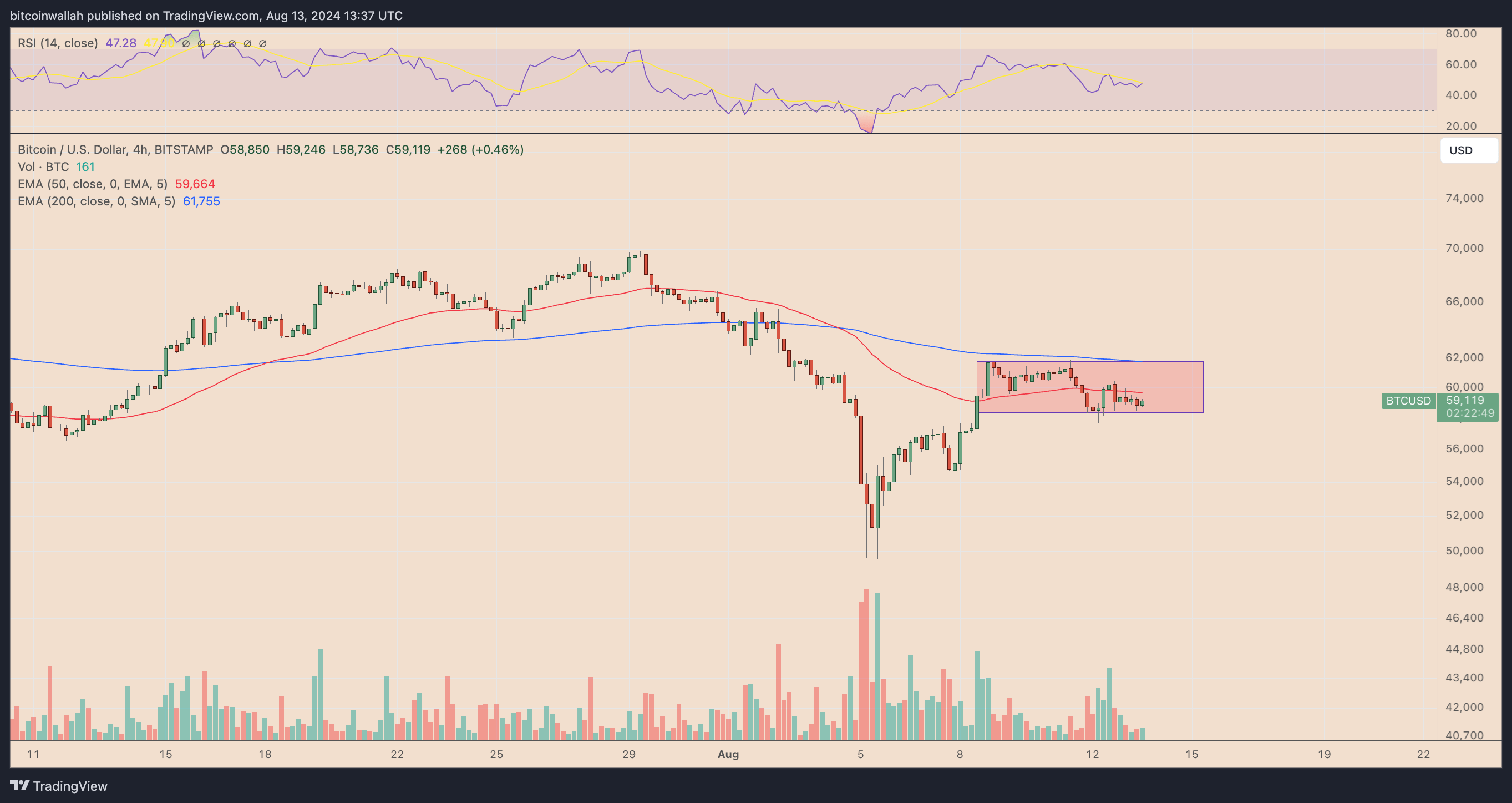
Notably, Bitcoin’s sideways trend emerged after over $350 million in long and short positions were liquidated since August 5th.
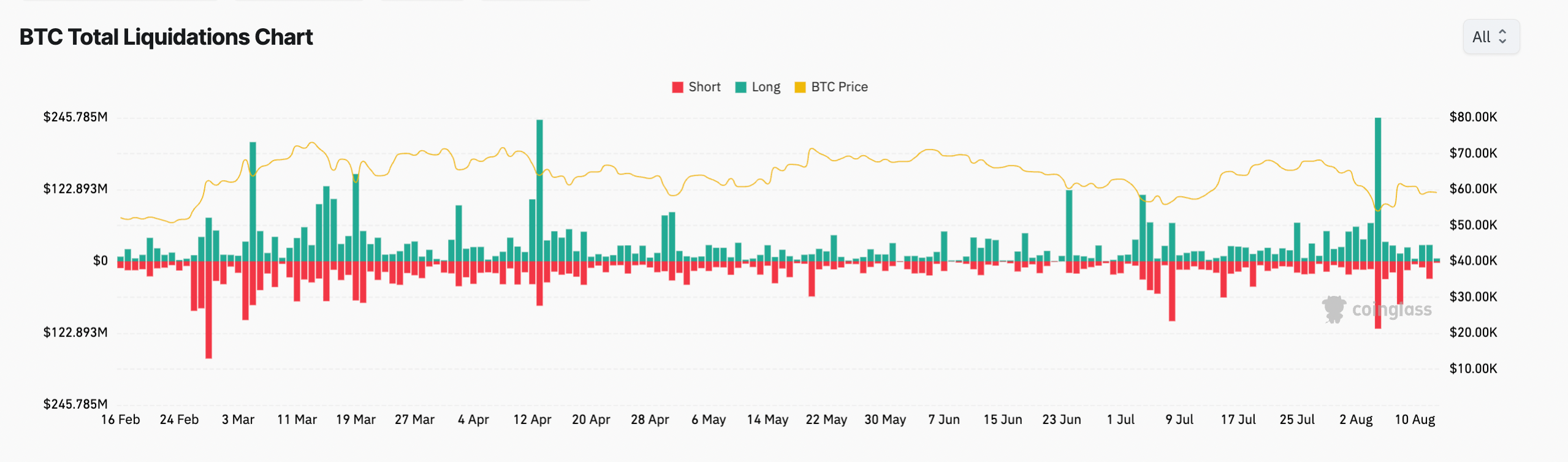
During this turbulent period, Bitcoin’s annual realized volatility saw a significant increase, reaching its highest levels since March 2023 as of August 9th.

The liquidation process effectively cleared many leveraged positions, which are often a significant source of increased volatility. As these leveraged positions were reduced, the market experienced fewer extreme price movements, contributing to a more stable environment. As the dust settles, investors are taking the opportunity to reassess their strategies in light of recent volatility. This reassessment has led to more cautious trading behavior, further supporting Bitcoin’s price stability. Consequently, both Bitcoin Futures open interest and volatility have significantly decreased as the market enters a period of sideways price consolidation.

Notable Details
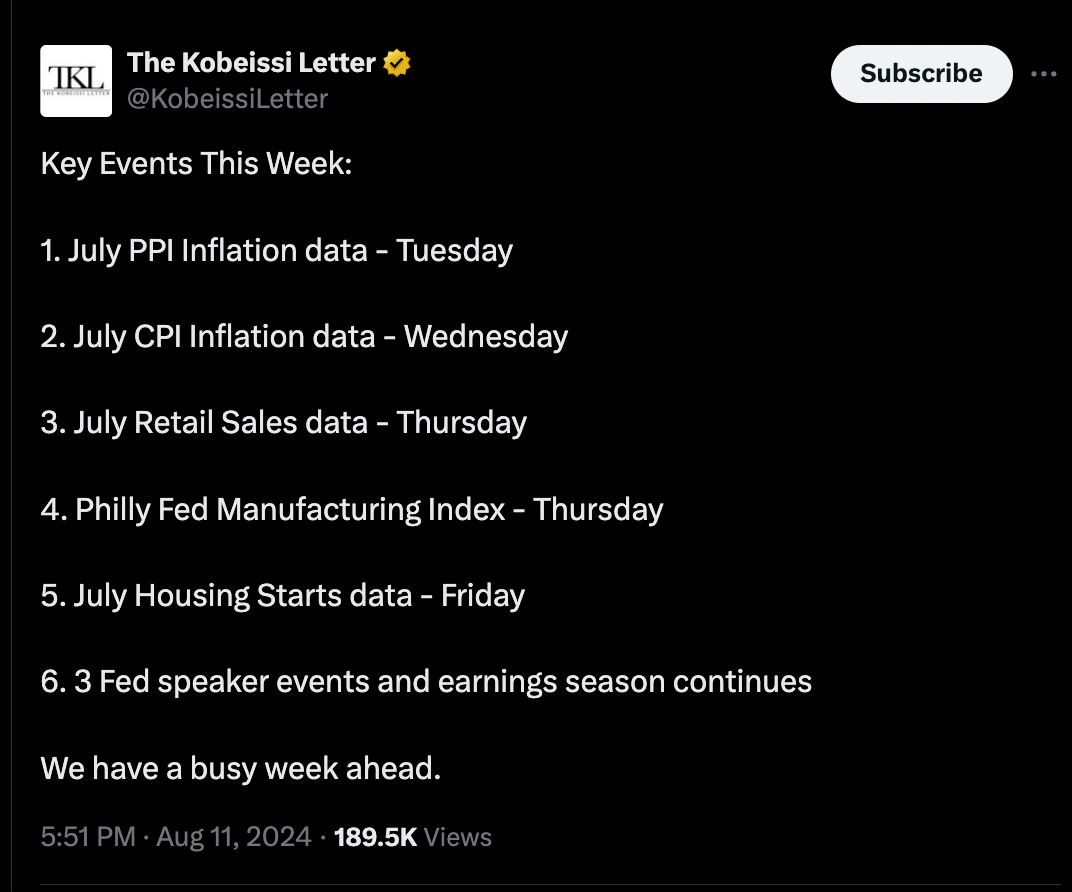
Bitcoin’s stability period is emerging particularly in the days leading up to the release of significant US economic data, notably the Consumer Price Index (CPI) on August 14th. Inflation data will provide clues about the Federal Reserve’s interest rate path in the coming months.
A notably lower CPI print could give the Fed room to lower interest rates in September, which could increase the market’s appetite for non-yielding assets like stocks and cryptocurrencies, benefiting Bitcoin.

The opposite scenario is a higher CPI print and a hawkish Fed response, which could reduce demand for Bitcoin and other risky assets. Cryptocurrency investors are avoiding making big moves or opening new positions until the data provides clearer insights into the economic outlook. This caution particularly reduces trading activity in August, leading to more stable prices.